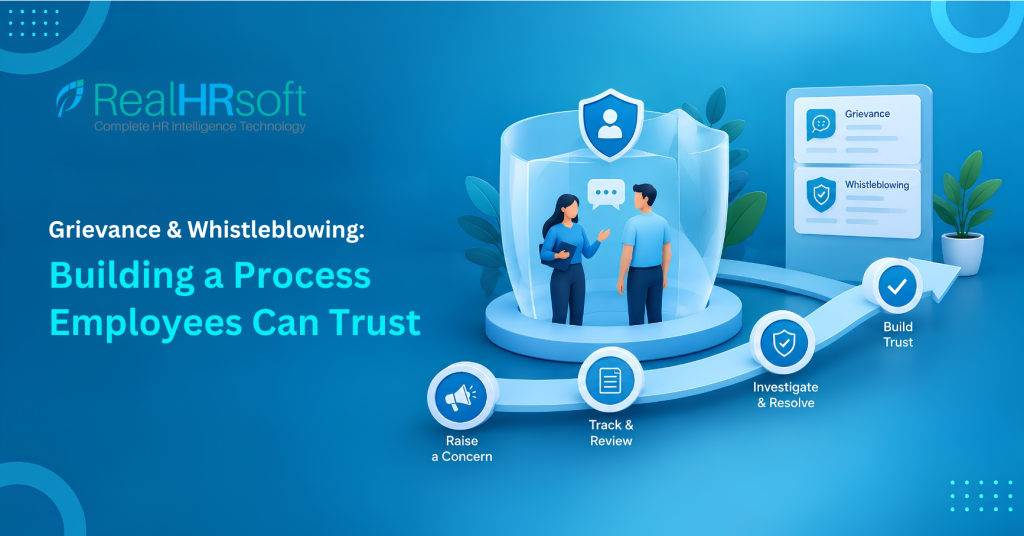
Employee Grievance and Whistleblowing: Building a Process Employees Can Trust
Overview
No workplace is free from misunderstandings, conflicts, or employee concerns. It could be a disagreement with a manager, favouritism within a team, inappropriate behaviour from a colleague, or a concern about unfair treatment. In Nepal’s workplaces, employees may also face more serious issues such as harassment, discrimination, wage-related disputes, unsafe working conditions, or fear of retaliation for speaking up.
What matters is not whether these issues arise, but whether the organization has a clear process for responding when employees raise them.
When employees feel that their concerns are ignored, delayed, or handled unfairly, trust begins to decline. Even worse, if someone faces negative consequences for speaking up, others quickly learn to keep their concerns to themselves. Over time, this creates a workplace where employees may remain present and productive on the surface, while becoming increasingly disengaged underneath.
Employee satisfaction is closely connected to this sense of being heard. People do not expect every concern to result in the outcome they want. They do, however, expect their concerns to be taken seriously, handled fairly, and addressed through a process they can trust.
Why Being Heard Matters for Employee Satisfaction
Salary, bonuses, flexible work and workplace perks all contribute to employee satisfaction. But even a well-paid employee can become frustrated when they feel their concerns are ignored or their voice does not matter.
Employees need to know that they can speak up when something goes wrong and that their concerns will be taken seriously. A manager may not be able to resolve every issue exactly as the employee expects, but a clear and fair response can make a significant difference. It shows employees that the organization values their experience and is willing to address problems rather than simply overlook them.
Two important systems help ensure that employees have a safe and reliable way to speak up are:
- Grievance Handling — A structured process for employees who are willing to identify themselves and openly raise workplace concerns, such as dissatisfaction, disputes, unfair treatment, or policy-related issues, and receive a timely and properly documented response.
- Whistleblowing — A confidential reporting mechanism for employees who may not feel comfortable directly confronting an issue or raising the issue through their normal management chain . It allows them to report serious misconduct, such as fraud, harassment, or ethical violations through a confidential channel, with appropriate protection of their identity and against retaliation.
What It Actually Takes to Build a Process Employees Can Trust
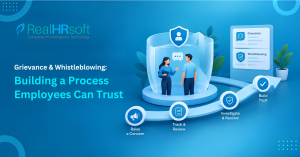
A grievance and whistleblowing system isn’t just a policy document sitting in a drawer. To actually work, it needs to follow a clear, repeatable process:
- Provide a clear channel to report: Employees should have a clear and reliable channel for submitting grievances or confidential concerns. The process should be easy to understand and should not depend entirely on approaching HR or a manager informally.
- Acknowledge the concerns promptly: Employees should know that their concern has been received. Even when an issue cannot be resolved immediately, a timely acknowledgment reassures the employee that their complaint has not been ignored.
- Ensure the right person handles the case: Not every concern should go directly to the employee’s supervisor. Sensitive matters involving harassment, discrimination, misconduct, or conflicts of interest may require HR, a designated committee, or an independent person to support a fair and appropriately managed process.
- Investigate and maintain records: Concerns should be reviewed based on facts, evidence, and the people involved rather than assumptions or personal relationships. Proper documentation of complaints, discussions, evidence, and decisions also creates accountability throughout the process. A documented process also makes it easier to track how concerns are handled consistently over time.
- Communicate the outcome: Employees should not be left wondering what happened to their complaint. While confidential details may not always be shareable, communicating the outcome or next steps shows that the organization has taken the concern seriously.
- Protect against retaliation: Employees are far less likely to speak up if they believe doing so could affect their job, relationships, or reputation. Organizations therefore need to safeguard employees who raise genuine concerns particularly in sensitive or whistleblowing cases.
The Cost of Getting it Wrong
When grievance and whistleblowing processes are unclear, inconsistent, employees are less likely to speak up. The concerns may not disappear, they simply become less visible, allowing unresolved issues to affect trust, retention, HR visibility, and workplace culture over time. It might cause problems such as:
- Employees might stop reporting issues, allowing problems to remain unresolved and become more difficult to address over time.
- Employees may choose to leave rather than raise concerns through a process they do not trust.
- HR loses visibility without proper records and reporting channels.
- Workplace culture can shift toward self-protection, making employees less comfortable raising concerns or collaborating openly.
“Building that trust requires more than having a policy, it requires a process that employees can actually use, and that HR can consistently manage and track.”
How RealHRsoft Helps
RealHRsoft turns grievance and whistleblowing management from a manual, scattered process into a structured digital workflow. Instead of relying on emails, messages, spreadsheets, or verbal follow-ups, HR can manage concerns through a centralized system where problems are recorded and tracked through a defined process.
Grievance Module: Employees submit a grievance directly through their self-service portal with a title, description, and supporting attachments. HR sees every submission in one place instead of scattered emails and verbal complaints. Each case is timestamped, tracked, and routed for review, so response delays become visible and accountable rather than invisible.
Whistleblower Module: For sensitive or confidential reports, RealHRsoft lets the organization assign an individual or a full committee which is separate from the reporting employee’s direct management chain to handle the case independently. This committee structure is configured in advance, so when a report comes in, the right people are notified immediately without HR having to manually assemble a response team under pressure.
Together, these two modules turn an open-door approach into a documented, auditable process with safeguards against retaliation, helping create the trust that supports a more positive employee experience.
RealHRsoft lets HR leaders focus on strategic priorities and building a workplace where employees feel heard, while the platform handles the operational backbone.
Build a process employees can trust — Book RealHRsoft demo today.