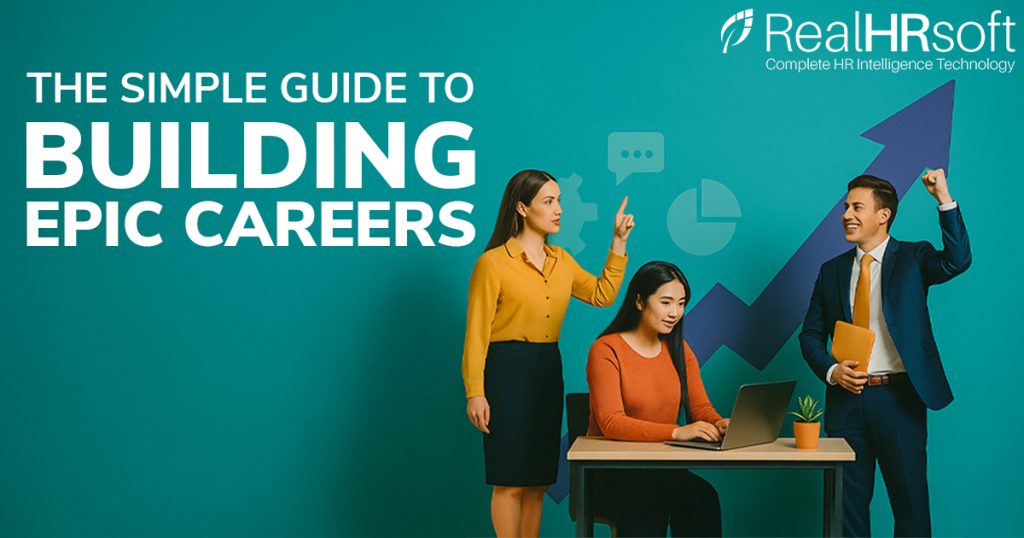
You’ve secured leadership buy-in and established the strategic case for investing in your people. The next challenge—and often the most difficult—is execution. This requires a systematic, policy-driven approach that moves beyond ad-hoc initiatives and builds a sustainable, repeatable process. This is your operational playbook for turning vision into reality.
At the heart of a great career development program is the Individual Development Plan (IDP). This isn’t just a document; it’s a living, collaborative tool between the employee and their manager. It’s the roadmap for a professional journey, focusing on three key questions:
- Where do you want to go? (The career goal)
- What skills do you need? (The skill gaps)
- How will we get there? (The action plan)
Here is the detailed, step-by-step process for making it happen:
- Formalize the Policy and Process: Don’t rely on informal practices or verbal agreements. A formal, written policy is your foundation.
- Define the guiding principles.
- Outline the roles and responsibilities of all stakeholders (HR, managers, employees).
- Detail a clear, transparent process for career development.
- Build a Transparent Framework for Growth: Make career progression visible and understandable to everyone in the organization.
- Use a competency-based framework linked to a simple grade or level system.
- Ensure each level has clearly defined skills, behaviors, and performance expectations.
- Link each level to a specific salary band to tie growth directly to professional development and increased responsibility.
- Co-Create Data-Driven Development Plans: The IDP is the core of your operational process.
- Use performance reviews and skills audits to identify key competency gaps.
- Set SMART goals (Specific, Measurable, Achievable, Relevant, Time-bound) that align with both the individual’s aspirations and the company’s needs.
- For example: Instead of a vague goal like “improve communication skills,” a SMART goal would be: “Lead two team presentations per quarter and receive a ‘Meets Expectations’ rating or higher on feedback from key stakeholders by Q4.”
- Implement a Blended Learning Approach: Growth happens in many ways, not just through expensive courses.
- Formal Training: Structured online courses, external certifications, or internal workshops that build foundational knowledge.
- Experiential Learning: On-the-job learning through job rotations, stretch assignments, and leading cross-functional projects.
- Relational Learning: Building relationships through a formal mentorship program or peer-to-peer coaching.
- Establish a Continuous Feedback and Review Cycle: Move away from the single, annual performance review.
- Implement a regular, recurring cycle of check-ins (e.g., quarterly) where managers and employees formally review IDP progress.
- This ensures accountability and provides timely, actionable feedback.
- It reinforces that career growth is an ongoing conversation, not a one-time event.
You’ve secured the strategic mandate and you have the operational playbook. Now, the execution begins. The future of your organization rests on your commitment to growing your greatest asset: your people.
Start today. Your team is waiting to grow.
Reach out to us for personalized HR consulting services in Nepal and discover how your team can be inspired!
info@aayulogic.com +977-9802-075555